In the concrete block manufacturing industry, waste is not just an environmental concern—it is a direct hit to profitability. Reducing waste while using concrete block molds efficiently requires a holistic approach that addresses material handling, mold design, production parameters, and maintenance practices. At Quangong Machinery Co., Ltd., our factory has been producing high-quality Mould for Concrete Block for over two decades, and we have seen that the most successful manufacturers are those who treat waste reduction as a systematic process. This article provides a comprehensive guide to minimizing waste through proper mold selection, optimized concrete mix design, precise vibration and pressing settings, and proactive maintenance. By following these principles, block producers can significantly reduce material waste, lower production costs, and improve the overall sustainability of their operations.
Waste in concrete block production can take many forms: rejected blocks due to dimensional inaccuracies, crumbling edges from poor compaction, material spillage during filling, and scrap from mold wear or damage. Each type of waste has a root cause, and addressing these causes requires a combination of engineering insight and operational discipline. Our factory has gathered extensive data from thousands of installations worldwide, and we have identified the key strategies that consistently reduce waste rates from an industry average of 5-8 percent down to less than 1 percent. In this article, we will explore these strategies in detail, covering everything from the design of the Mould for Concrete Block to the calibration of the block machine, and we will provide actionable tips that you can implement immediately. Whether you are a new producer or looking to optimize an existing operation, this guide will help you achieve more blocks per ton of material and higher profitability per shift.
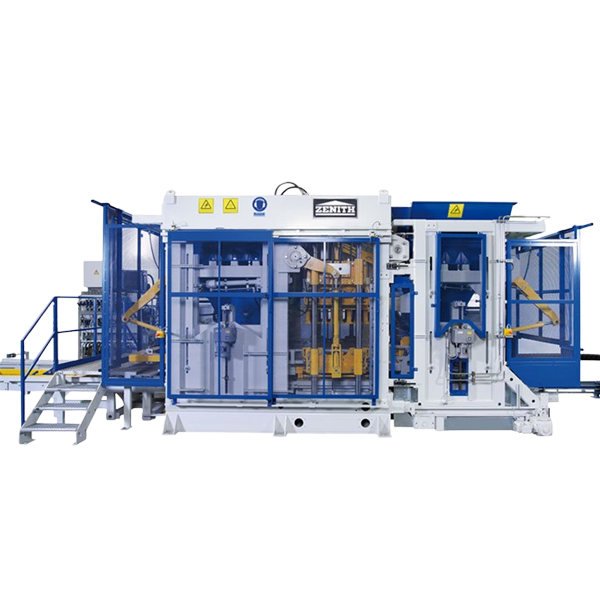
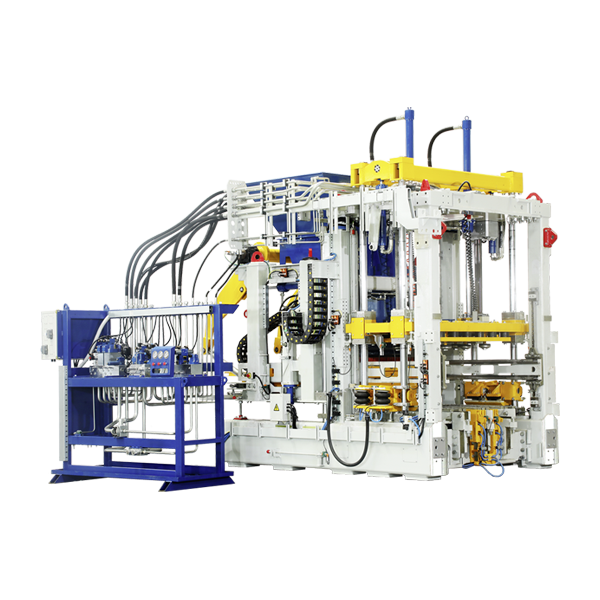
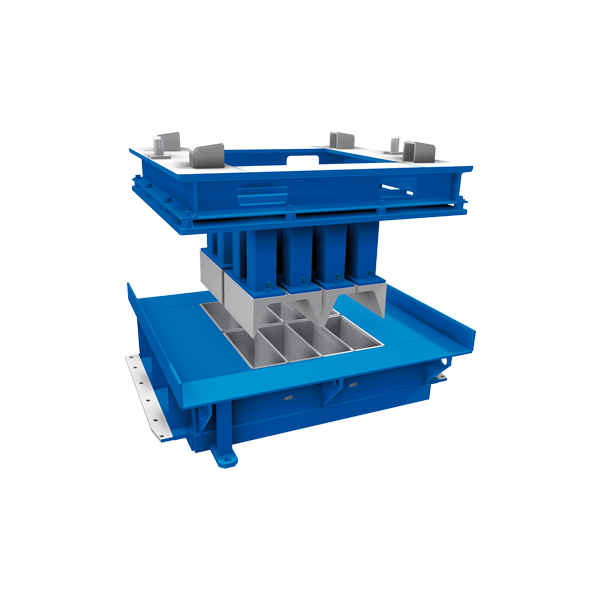
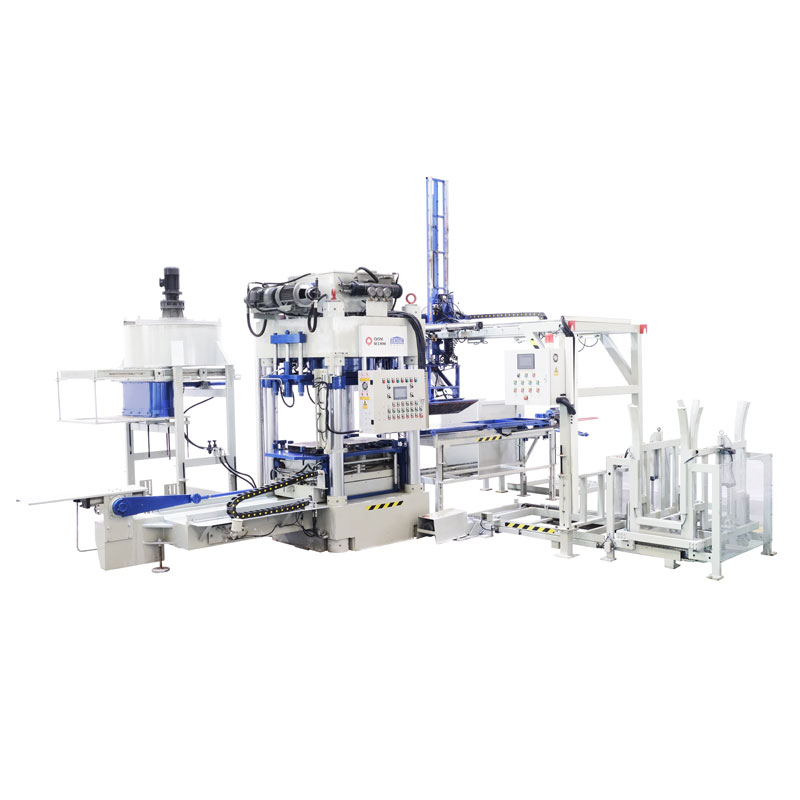
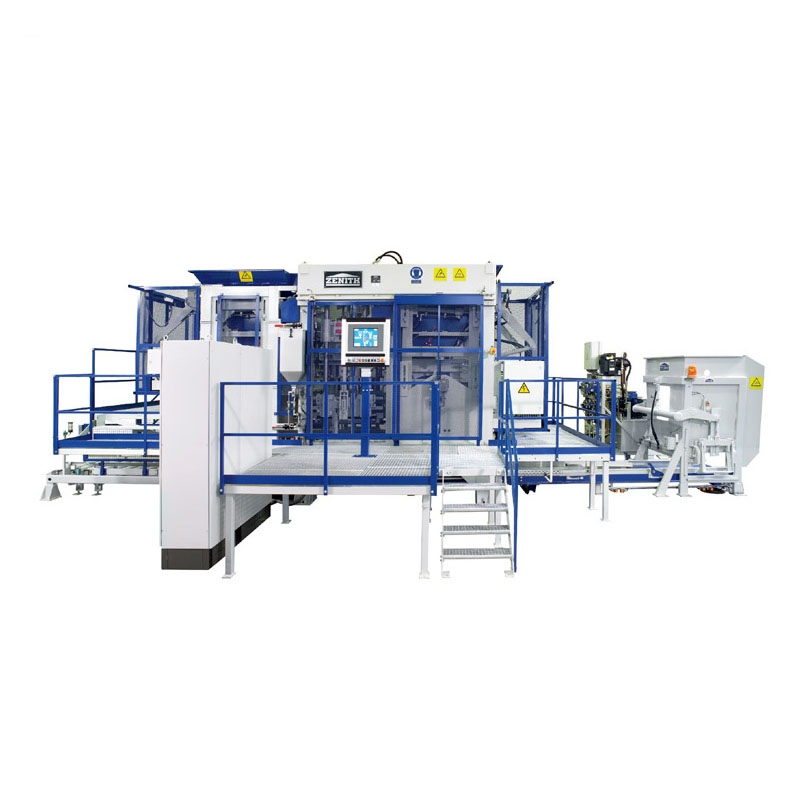
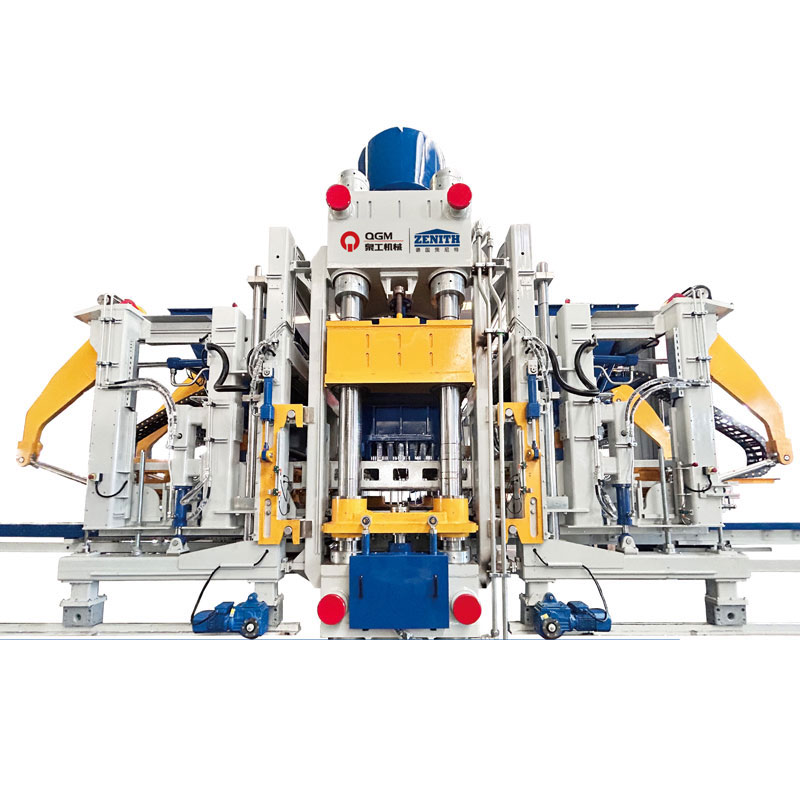
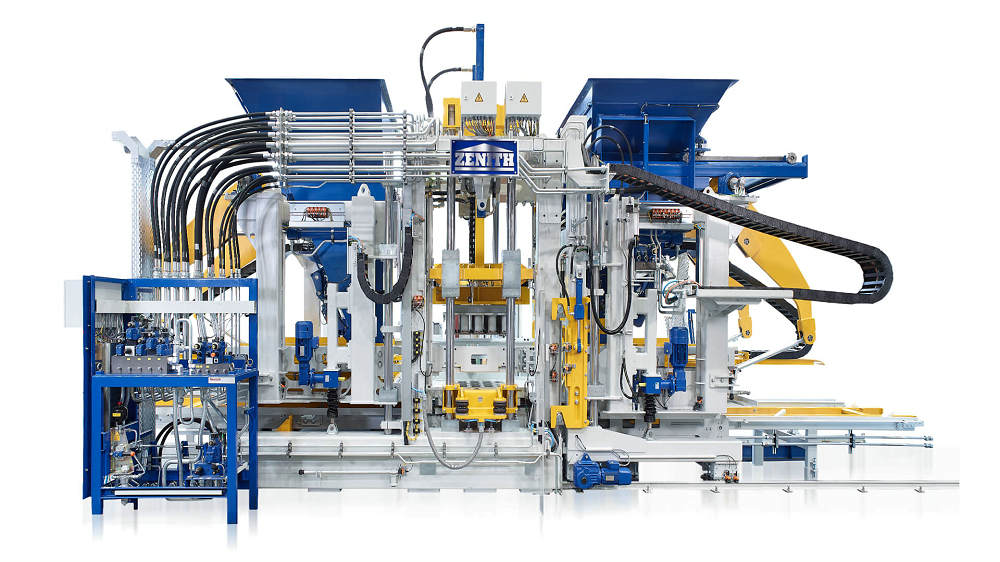
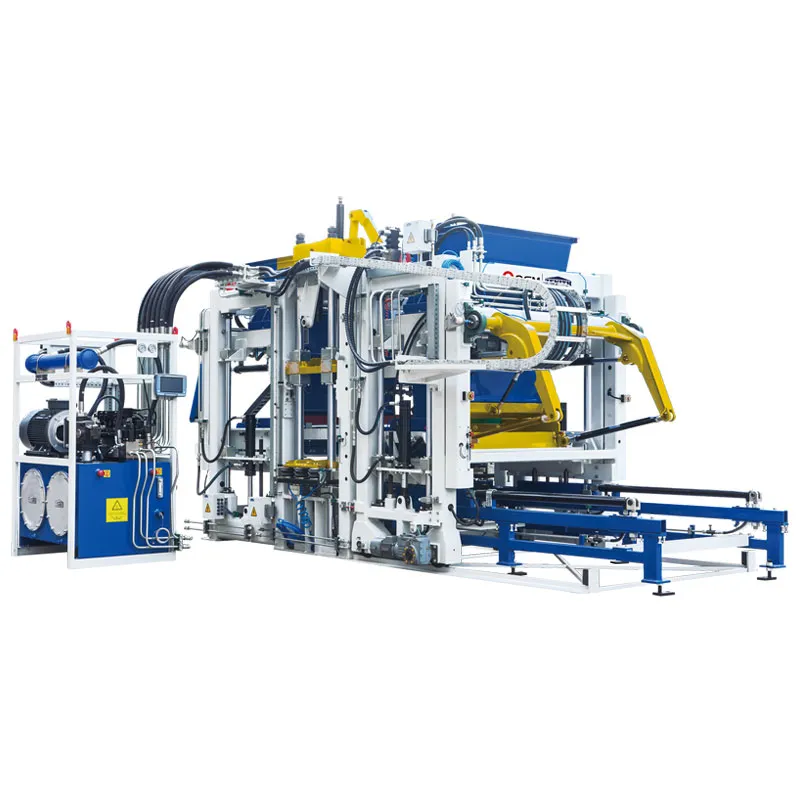
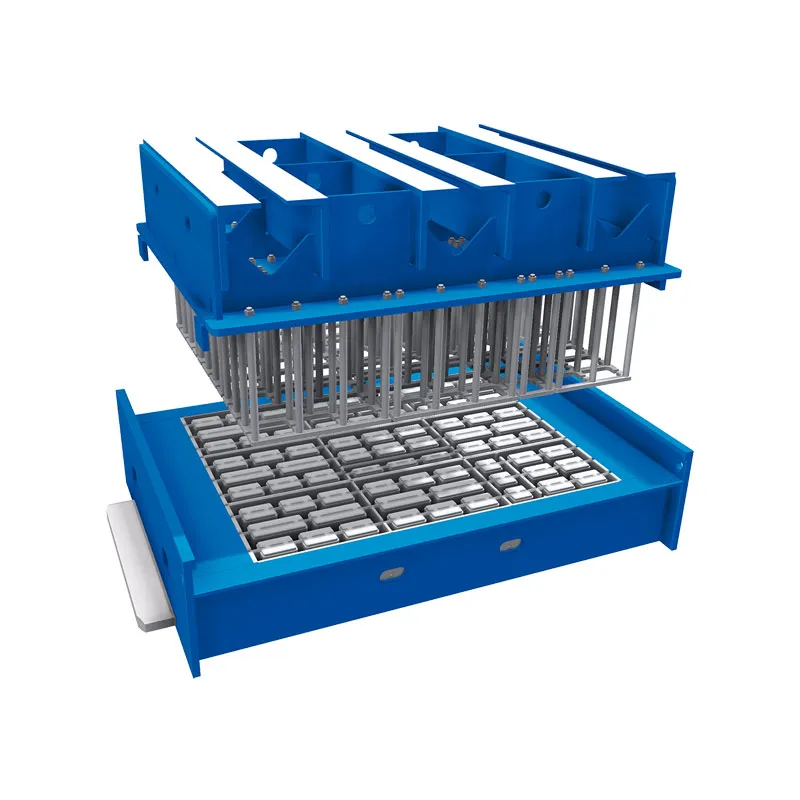
Mold design is the single most important factor in reducing waste during concrete block production. A well-designed Mould for Concrete Block ensures that the concrete is evenly distributed, compacted, and released with minimal defects. Poorly designed molds lead to uneven wall thickness, rough edges, and incomplete filling, all of which result in rejected blocks. The Germany Zenith Block Machine, which we manufacture under license, incorporates advanced mold design principles that we have refined over the years. Our factory at Quangong Machinery Co., Ltd. uses precision machining and high-quality materials to produce molds that minimize waste from the very first cycle. For example, our molds feature draft angles (typically 1-2 degrees) on the cavity walls to facilitate easy demolding and reduce the risk of edge chipping, which is a common cause of waste in hollow block production.
Key mold design features that reduce waste:
A case study from a block producer in the UK illustrates the impact of mold design on waste reduction. The producer was using a standard mold from a local supplier, and they experienced a waste rate of 6.2 percent due to cracked edges and dimensional variations. After switching to our precision-engineered Mould for Concrete Block, the waste rate dropped to 1.1 percent within the first month. The producer attributed the improvement to the superior draft angle and the uniform wall thickness, which allowed the blocks to release cleanly and consistently. Over a year, the reduction in waste saved the company over USD 30,000 in raw materials and labor.
In addition to the physical design, the mold's surface finish is critical. A smooth surface (Ra < 0.8 micrometres) reduces the friction between the concrete and the mold walls, allowing the block to slide out more easily and with less shear stress. Our factory uses a multi-stage polishing process to achieve a mirror-like finish on our Mould for Concrete Block surfaces. This not only reduces waste but also extends the mold's life, as the smooth surface reduces wear on the cavity walls. For producers looking to minimize waste, investing in a high-quality mold from a reputable manufacturer is the most effective first step.
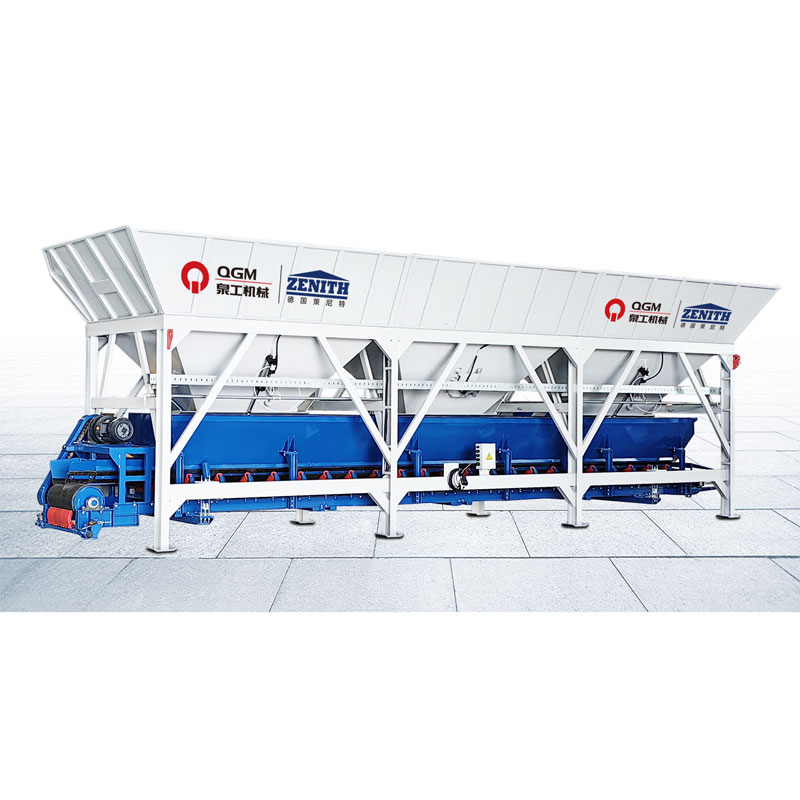
While mold design is critical, the material fed into the mold is equally important. Inconsistent mix design, improper moisture content, and poor material handling can all lead to waste. For example, a mix that is too dry will not compact properly, leading to porous blocks that crack easily. A mix that is too wet will cause excessive sticking to the mold, resulting in rough surfaces and edge defects. Our factory at QGM recommends a systematic approach to mix design, using a combination of moisture sensors, batch weight control, and regular testing to ensure consistency. By optimizing the mix for the specific Mould for Concrete Block being used, producers can significantly reduce the number of rejected blocks.
Key material and mix design strategies to minimize waste:
A practical example from a block plant in Australia demonstrates the importance of material control. The plant was experiencing a 4 percent waste rate due to inconsistent moisture content, which caused blocks to stick in the mold. After installing a moisture sensor and adjusting the mixer to maintain a constant 7 percent moisture level, the waste rate dropped to 1.2 percent. The plant also reported that the blocks had a more uniform color and texture, improving their marketability.
Additionally, the use of recycled materials in the mix can be a source of waste if not properly managed. Recycled concrete powder, fly ash, and slag can vary in composition and moisture absorption. Our factory recommends conducting a complete material analysis before incorporating recycled materials and adjusting the mix design accordingly. We also provide a mix design service that uses computer modeling to predict the optimal proportion for any combination of raw materials. This ensures that the concrete flows properly into the Mould for Concrete Block and compacts fully, reducing waste and improving block quality.
Quangong Machinery Co., Ltd. manufactures a range of Mould for Concrete Block that are engineered for maximum efficiency and minimal waste. Our molds are available in various configurations, including single-cavity, multiple-cavity, and multi-layer molds. The table below provides the technical specifications for our most popular mold series, which are compatible with the Germany Zenith Block Machine and other leading block machines. All our molds are manufactured using high-grade tool steel, heat-treated to 58-62 HRC for long service life, and coated with a hard chrome layer for corrosion resistance. Our factory conducts a 100% inspection of each mold cavity to ensure compliance with dimensional tolerances.
| Model | Number of Cavities | Block Size (mm) | Cavity Dimensions (mm) | Steel Grade | Hardness (HRC) | Surface Finish (Ra) | Weight (kg) |
| QM-6 | 6 | 400 x 200 x 200 | 402 x 202 x 202 | 42CrMo4 | 60 +/- 2 | 0.8 micrometres | 180 kg |
| QM-9 | 9 | 400 x 200 x 200 | 402 x 202 x 202 | 42CrMo4 | 60 +/- 2 | 0.8 micrometres | 260 kg |
| QM-12 | 12 | 400 x 200 x 200 | 402 x 202 x 202 | 42CrMo4 | 60 +/- 2 | 0.8 micrometres | 380 kg |
| QM-Paver 4 | 4 | 200 x 100 x 60 | 201 x 101 x 61 | 38CrMoAl | 58 +/- 2 | 0.6 micrometres | 140 kg |
| QM-Curb | 2 | 500 x 300 x 150 | 502 x 302 x 152 | 42CrMo4 | 60 +/- 2 | 0.8 micrometres | 220 kg |
| QM-Special | Custom | Custom | Custom | 42CrMo4 | 60 +/- 2 | 0.8 micrometres | Varies |
In addition to the standard specifications, we offer several optional features that further reduce waste. These include a self-cleaning vent system that prevents blockages, a release agent application system that ensures uniform coating, and a mold pre-heater that reduces the initial cycles of rejects. Our factory also provides a mold refurbishment service that returns worn molds to as-new condition, extending their service life and maintaining waste reduction performance.
To ensure that the Mould for Concrete Block performs optimally, we recommend a regular inspection schedule. This includes checking cavity dimensions, verifying the integrity of the vent holes, and measuring the surface roughness. Our factory supplies a maintenance kit with each mold that includes a cleaning brush, a surface roughness gauge, and a calibration certificate. By following the recommended maintenance schedule, producers can maintain the mold's waste-reducing performance over its entire lifetime, which typically exceeds 2 million cycles.
Even the best-designed Mould for Concrete Block will not reduce waste if it is not properly maintained or operated. Mold wear, accumulated concrete residue, and incorrect machine settings can all lead to waste. Our factory at Quangong Machinery Co., Ltd. has developed a comprehensive maintenance and training program that we provide to all our customers. This program covers everything from daily cleaning to periodic inspections and recalibration of the block machine settings. By following these guidelines, producers can maintain the mold's performance and consistently produce high-quality blocks with minimal waste.
Key maintenance and training practices to reduce waste:
A case study from a large block factory in India demonstrates the impact of maintenance and training. The factory was experiencing a 7 percent waste rate, largely due to poor cleaning and incorrect machine settings. After our factory provided on-site training and implemented a structured maintenance program, the waste rate dropped to 1.8 percent within two months. The factory also reported that the blocks had a more uniform appearance and that the mold lasted longer between refurbishments. The training program, which included a hands-on session with the Mould for Concrete Block and the Germany Zenith Block Machine, was key to this success.
In addition to routine maintenance, our factory recommends using a mold wear monitoring system. This system, which can be integrated with the block machine's PLC, tracks the number of cycles and the cumulative wear on the mold. When the wear reaches a predetermined threshold, the system alerts the operator to perform maintenance or to consider mold refurbishment. This proactive approach prevents the gradual increase in waste that often occurs as a mold ages. By combining rigorous maintenance with well-trained operators, producers can achieve waste rates below 1 percent, ensuring that every batch of concrete is used to produce saleable blocks.
Question 1: What is the most common cause of waste in concrete block production?
Answer: The most common cause of waste is poor mold condition, including worn surfaces, incorrect draft angles, and blocked vent holes. These issues lead to defects such as rough edges, cracked corners, and incomplete filling. In our experience at Quangong Machinery Co., Ltd., 60-70 percent of rejections can be traced to the mold. Regular cleaning, proper maintenance, and timely replacement of worn molds are the most effective measures to address this. Additionally, using a high-quality Mould for Concrete Block from a reputable manufacturer significantly reduces the likelihood of such defects.
Question 2: How does the concrete mix design affect waste?
Answer: The mix design has a direct effect on waste. A mix that is too wet will stick to the mold, causing rough surfaces and loss of block material during demolding. A mix that is too dry will not compact fully, leading to porous, weak blocks that fail during curing or handling. The optimal moisture content for most block production is 5-8 percent, and the aggregate should be well-graded. Using a moisture sensor and adjusting the water addition in real-time can reduce waste by 2-3 percent. Our factory provides a mix design service tailored to your specific Mould for Concrete Block and raw materials.
Question 3: How often should I clean and inspect my Mould for Concrete Block?
Answer: At a minimum, you should clean the Mould for Concrete Block at the end of every shift to remove concrete residue and prevent build-up. A more thorough inspection—checking cavity dimensions, surface roughness, and vent hole integrity—should be performed weekly. We also recommend a complete professional inspection every 100,000 cycles or annually, whichever comes first. Our factory provides a maintenance schedule with each mold, and we offer a mold inspection service where our technicians visit your site to assess the mold's condition and recommend refurbishment if needed.
Question 4: Can a worn Mould for Concrete Block be refurbished to reduce waste?
Answer: Yes, worn molds can be refurbished to restore their original dimensions and surface finish. The refurbishment process typically involves grinding the cavity surfaces, re-machining the draft angles, and re-applying the hard chrome coating. This extends the mold's life by 50-70 percent and restores its waste-reducing performance. Our factory at Quangong Machinery Co., Ltd. offers a full refurbishment service, with a turnaround time of 2-3 weeks. Refurbishing a mold is typically 40-60 percent cheaper than purchasing a new one, making it a cost-effective solution for reducing waste.
Question 5: What role does operator training play in reducing waste?
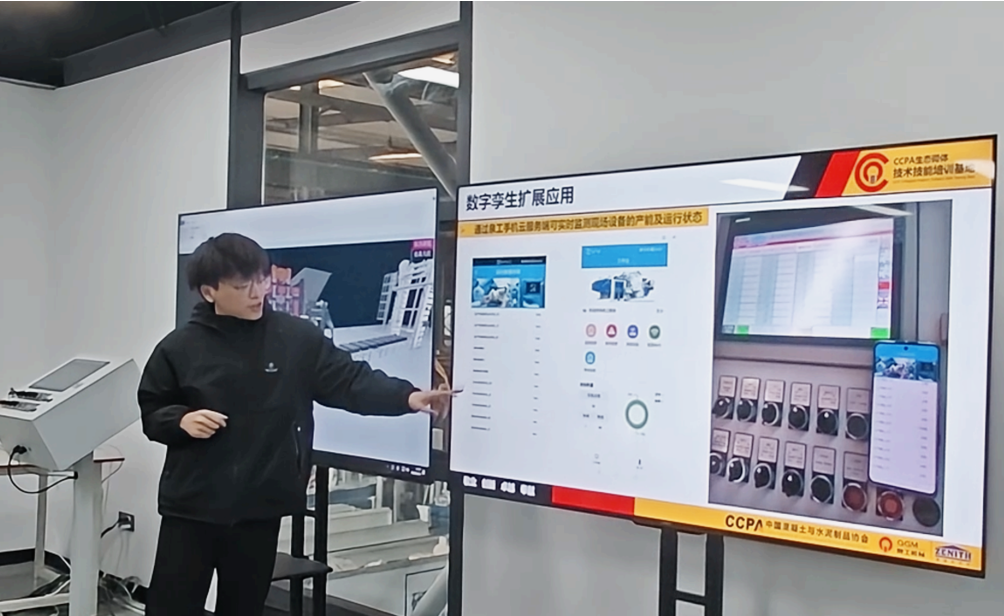
Answer: Operator training is crucial. Even the best Mould for Concrete Block will produce waste if the operator does not know how to set the machine correctly or perform the necessary maintenance. Proper training covers the correct filling technique, adjustment of vibration and pressure settings, and daily cleaning procedures. Our factory provides a comprehensive training program that includes both classroom instruction and hands-on practice with the actual mold and machine. Operators who have completed our training consistently report waste reductions of 2-4 percent, and many achieve waste rates below 1 percent.
Reducing waste while using concrete block molds efficiently is an achievable goal that requires a multi-faceted approach: investing in a high-quality Mould for Concrete Block, optimizing the mix design, implementing rigorous maintenance, and training operators to the highest standards. At Quangong Machinery Co., Ltd., our factory has developed a comprehensive solution that combines precision-engineered molds with practical, field-tested strategies to minimize waste. Our clients have consistently achieved waste rates below 1 percent, translating into significant cost savings, higher productivity, and a more sustainable operation. The technical specifications, case studies, and best practices presented in this article provide a clear roadmap for any block producer looking to improve their efficiency.
Are you ready to reduce waste and increase profitability in your concrete block production? Contact Quangong Machinery Co., Ltd. today for a comprehensive waste audit and mold consultation. Our team of engineers will visit your facility, analyze your current operations, and recommend a tailored solution that includes the optimal Mould for Concrete Block for your needs, a customized maintenance plan, and operator training. We offer free samples of our molds and a no-obligation trial to demonstrate the waste reduction potential. Request your free waste reduction consultation now from Quangong Machinery Co., Ltd. and take the first step towards near-zero waste production.